Military nursing service (MNS) in India: a century of compassion and care

The story of the Indian Military Nursing Service (IMNS) began in 1888, when the British colonial administration recognized the need for organized nursing care for its soldiers stationed across the subcontinent. Until then, medical treatment for the sick and wounded was largely ad hoc, provided by untrained helpers or by missionary women. The IMNS brought a new level of discipline and professionalism, modelled on British military nursing systems. At its inception, the IMNS catered mainly to British troops and recruited European women as nurses. Indian women were not admitted in significant numbers, reflecting the social and racial hierarchies of the time. Despite this limited scope, the IMNS represented a major leap forward in establishing a structured system of military nursing in India, complete with training standards, uniforms, and formal ranks.
The first major test: World War I

The outbreak of World War I in 1914 stretched the IMNS far beyond its peacetime role. Nurses from India were dispatched to field hospitals across Mesopotamia, East Africa, and the Middle East to care for thousands of wounded soldiers. The war tested their endurance under harsh climates, rudimentary facilities, and mass casualties. It also gave Indian women an early opportunity to enter the military nursing field, albeit in small numbers, especially in auxiliary capacities. These wartime experiences laid the groundwork for expanding the IMNS in the decades to follow, showing that military nurses could handle trauma, surgery, and infectious disease care under extreme conditions.
Expansion & commissioned status during World War II

World War II marked the IMNS’s coming of age. Between 1939 and 1945, the service expanded exponentially, recruiting thousands of nurses from across India. The scale of operations demanded a more formalized role, and in 1943, the IMNS was granted commissioned officer status for its members. This was a landmark development, elevating military nurses from quasi-civilian auxiliaries to recognized officers in uniform. It improved their pay and working conditions and strengthened their integration into the military command structure.
Indian military nurses served in theatres stretching from Burma to North Africa, on hospital ships and at casualty clearing stations. They witnessed first-hand the devastation of war and the importance of rapid, skilled medical intervention. By the end of World War II, the IMNS had grown into one of the largest and most experienced military nursing corps in the Allied world.
From IMNS to Military Nursing Service (MNS) in independent India

The end of British colonial rule in 1947 brought about a fundamental restructuring of the armed forces. The Indian contingent of the IMNS transitioned to the newly independent Indian Army, and in 1950 the Military Nursing Service (MNS) replaced the IMNS under the Army Act. This change symbolized more than just a name swap—it marked the full Indianization of military nursing and the integration of Indian women into leadership roles within the service.
As a permanent commissioned corps of the Indian Army, the MNS provided career security, pensions, and clearer promotion pathways for its officers. Indian matrons and superintendents took over posts previously held by British officers, and the ethos of the service began to reflect the priorities of an independent nation: caring for its own soldiers, developing indigenous medical expertise, and extending nursing care to remote and challenging terrains.
Serving through India’s wars and peacekeeping missions

The decades after independence saw the MNS at the forefront of every major conflict involving India. During the Sino-Indian War of 1962, the Indo-Pak wars of 1965 and 1971, and in countless counterinsurgency and peacekeeping operations, military nurses provided critical care under fire. They managed everything from triage of battlefield injuries to long-term rehabilitation of soldiers, often working in forward areas with minimal infrastructure.
The 1971 Bangladesh Liberation War was a particularly intense Segment. MNS officers handled a massive influx of casualties, prisoners of war, and displaced civilians, demonstrating remarkable courage and organizational skill. Many received gallantry awards and commendations for their work. Beyond India’s borders, MNS officers served in UN peacekeeping missions, bringing Indian military nursing expertise to conflict zones worldwide and enhancing the country’s reputation in international humanitarian efforts.
Professionalization and specialization over the decades

The post-1970 period saw a steady institutional strengthening of military nursing. The Armed Forces Medical College (AFMC) in Pune and Command Hospitals across the country became hubs of advanced training. MNS officers began specializing in critical care, anaesthesia, neonatal intensive care, oncology, and cardiothoracic nursing, keeping pace with rapid advances in medical science.
By the 1980s and 1990s, the MNS had embraced modern infection control, intensive care protocols, and disaster preparedness. Officers pursued postgraduate degrees and international training, aligning Indian military nursing with global best practices. These developments elevated the service’s status from a supportive wing to a professional body with leadership in tertiary care, research, and medical administration.
Modern era: leadership, technology, and humanitarian response

In the 21st century, the Military Nursing Service stands as a highly specialized corps within the Armed Forces Medical Services. Today, MNS officers lead critical units in some of India’s best-equipped military hospitals, managing sophisticated medical technology and complex patient care. Their expertise spans trauma surgery support, telemedicine, and advanced evacuation systems.
During humanitarian crises, including natural disasters and the COVID-19 pandemic, MNS officers have stepped into frontline roles, running quarantine centres, vaccination drives, and mobile health units. Their adaptability has underscored the dual military and humanitarian character of the service.
The rank structure now extends to Major General, with the Director General Nursing Services as the apex post—proof of the institutional recognition and leadership opportunities available within the service.
Challenges and the road ahead

Even as it celebrates a century of service, the Military Nursing Service faces challenges. Issues of parity with other commissioned officers, recruitment of male nurses, and constant upskilling to meet new threats—such as chemical, biological, and cyber-medical emergencies—remain pressing. Modern warfare and disaster scenarios will demand advanced training in aeromedical evacuation, AI-assisted diagnostics, and trauma management under unconventional conditions. Yet the MNS’s history of adaptation suggests it is well placed to meet these challenges. With its established training infrastructure, strong leadership cadre, and a tradition of service under adversity, it can continue to evolve as a model of military nursing in the global south.
A legacy of courage, compassion, and professionalism

One hundred years after its inception, the Indian Military Nursing Service’s legacy is defined by courage, compassion, and professionalism. From colonial cantonments to modern tertiary hospitals, from the trenches of two World Wars to the frontline of pandemic response, military nurses have stood shoulder to shoulder with soldiers, offering care under fire and comfort in crisis.
This centenary is not merely a marker of time but a testament to the transformation of a once- marginalized auxiliary service into a professional corps integral to India’s defence and humanitarian efforts. Its journey reflects broader social changes—the rise of women in public life, the indigenization of colonial institutions, and India’s growing stature in global peacekeeping and disaster relief.
As the MNS steps into its second century, it carries forward a proud tradition of service, innovation, and resilience. Its officers remain the “angels in uniform” who embody the best of both military discipline and nursing compassion, ensuring that the health and dignity of India’s armed forces are upheld in every circumstance.
MNS Veterans Association
Celebrating 100 Years of Distinguished Service
Our History
A comprehensive journey through the significant moments that shaped the Military Nursing Service and our Veterans Association
Formation of MNS
The Military Nursing Service was officially formed on October 1, 1926, marking the beginning of professional military nursing in India.
Post-Independence Era
MNS continued its distinguished service as India gained independence, adapting to new challenges and opportunities in the newly formed nation.
Constitutional Foundation
Government of India constituted the Military Nursing Service through Army Instruction 274/50, establishing terms and conditions for regular commissions in MNS as part of the regular Army, subject to the Army Act 1950.
Rank Restructuring
On January 3, 1959, through Army Instruction 4/59, the Government of India re-designated the ranks of MNS officers to conform to the nomenclature used by other regular Army officers.
Significance:
This standardization ensured MNS officers held equivalent ranks and recognition as their counterparts in other Army corps.
Saluting Protocol Established
Chief of Army Staff through Army Order 501/63 established that MNS officers are required to salute and are entitled to salutes in the same manner as other Commissioned Officers of the Army.
Defence Service Regulations
On December 5, 1986, the Government of India issued Defence Service Regulations for Army administration. These regulations formally addressed MNS as a Corps/Service, stating that MNS officers are Army Officers ranking equally with male officers of the same titular rank.
Officer Status Clarification
DGAFMS Office issued a letter on September 1, 1992, clarifying that MNS Officers' status is to be treated at par with any other Officers in the Indian Army, reinforcing their equal standing.
Retirement Rules Amendment
On December 5, 1993, the Government of India amended Army Rules 1954 and inserted Rule 16A dealing with the retirement of officers from all Corps/Services including the MNS.
Permanent Commission Framework
MNS Officers became governed by AI 3/98 for permanent commission. As per Annexure 'A', candidates granted permanent commission in MNS are liable to serve in any part of the Armed Forces (Army, Navy, Air Force).
Service Liability:
MNS officers can serve across all three services - Army, Navy, and Air Force - demonstrating their integral role in tri-service healthcare.
Veterans Association Inauguration
The MNS Veteran Officers' Association (Nari Shakti Forum) was inaugurated in February 2025 at Thirumala, Thiruvananthapuram, uniting veteran officers under one platform.
Mission:
Bringing together MNS veterans to preserve legacy, provide support, and strengthen the bonds forged through decades of dedicated service.
Centenary Celebration
Celebrating 100 years of MNS legacy with over 5000 veteran members across India united under one platform, commemorating a century of distinguished service to the nation.
Legacy Achievement:
A century of professional military nursing excellence, with three cadres - MNS (R) Permanent, SSC (Short Service), and MNS Local - serving across field hospitals throughout India.
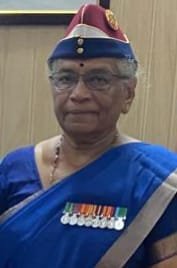
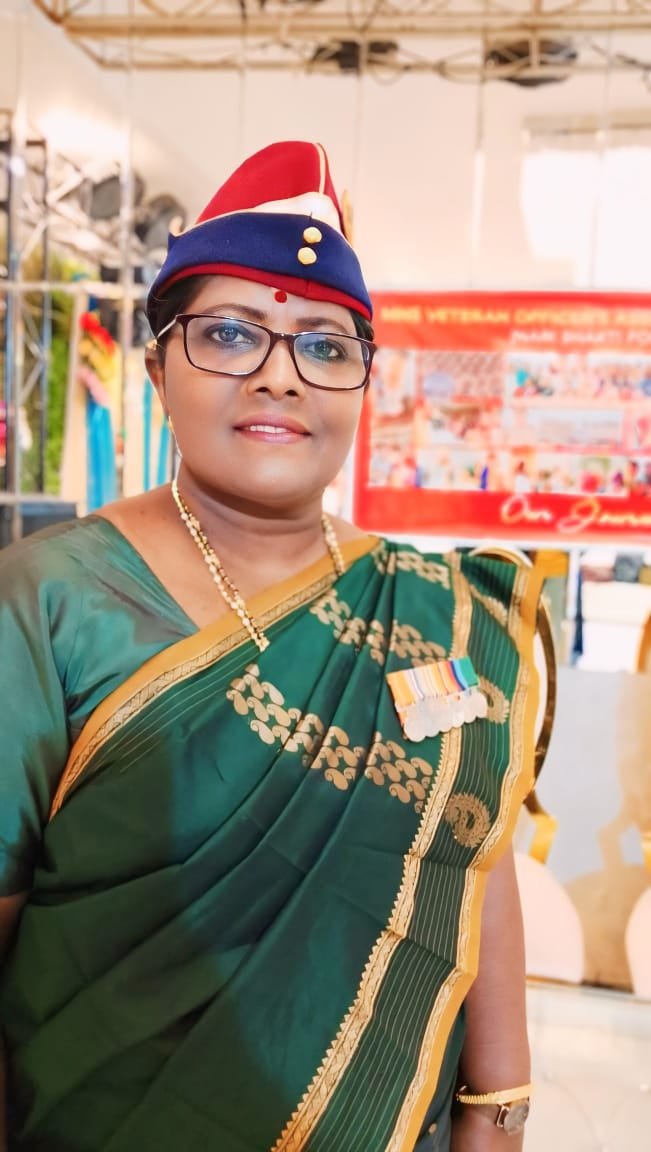
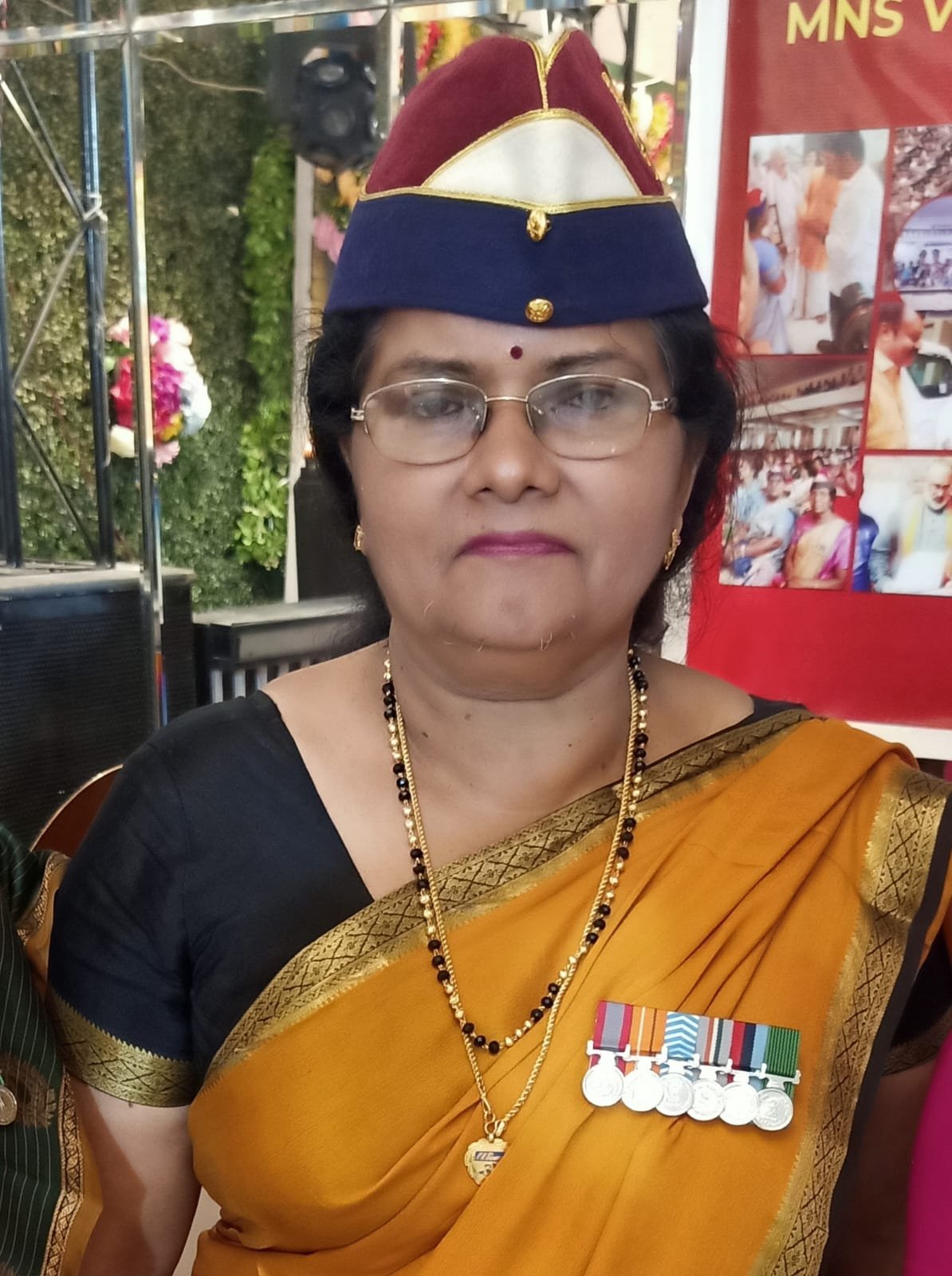
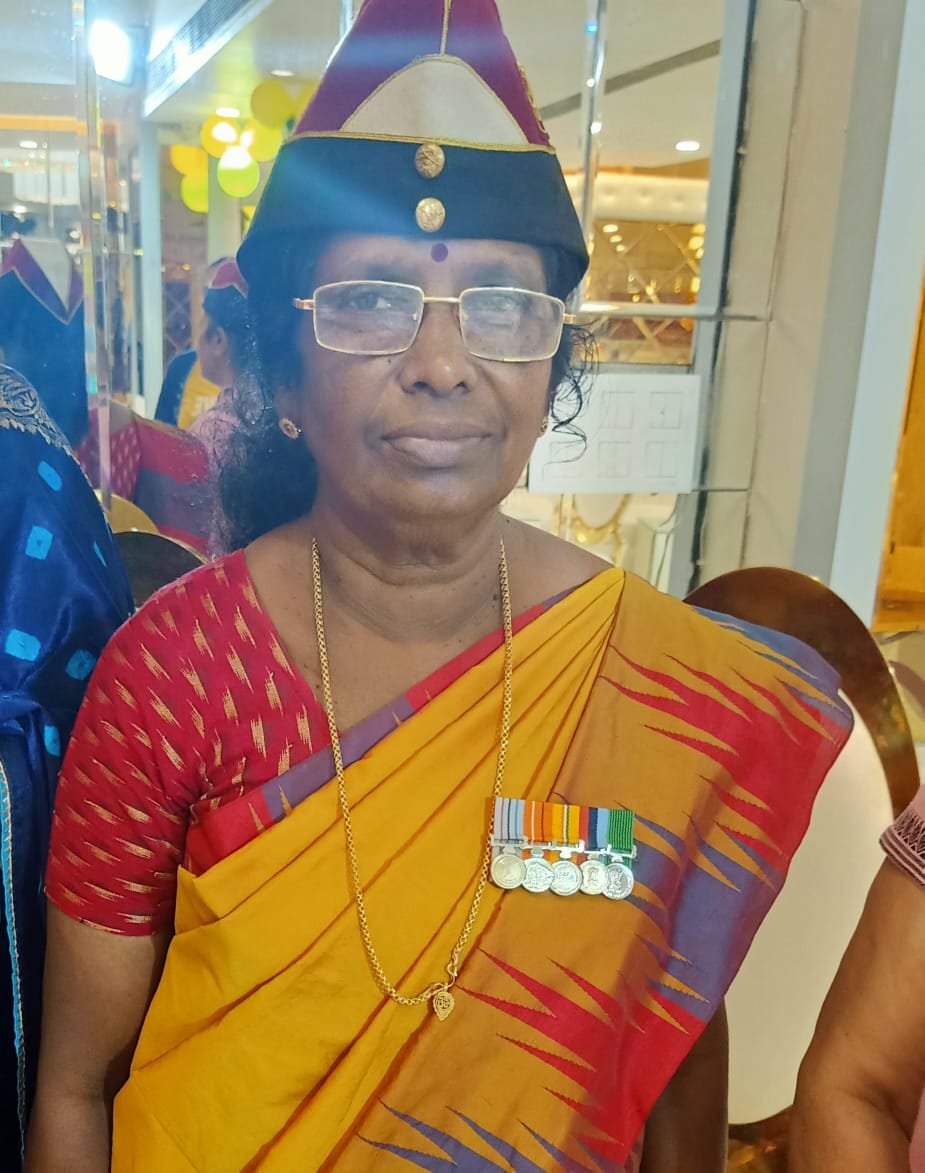
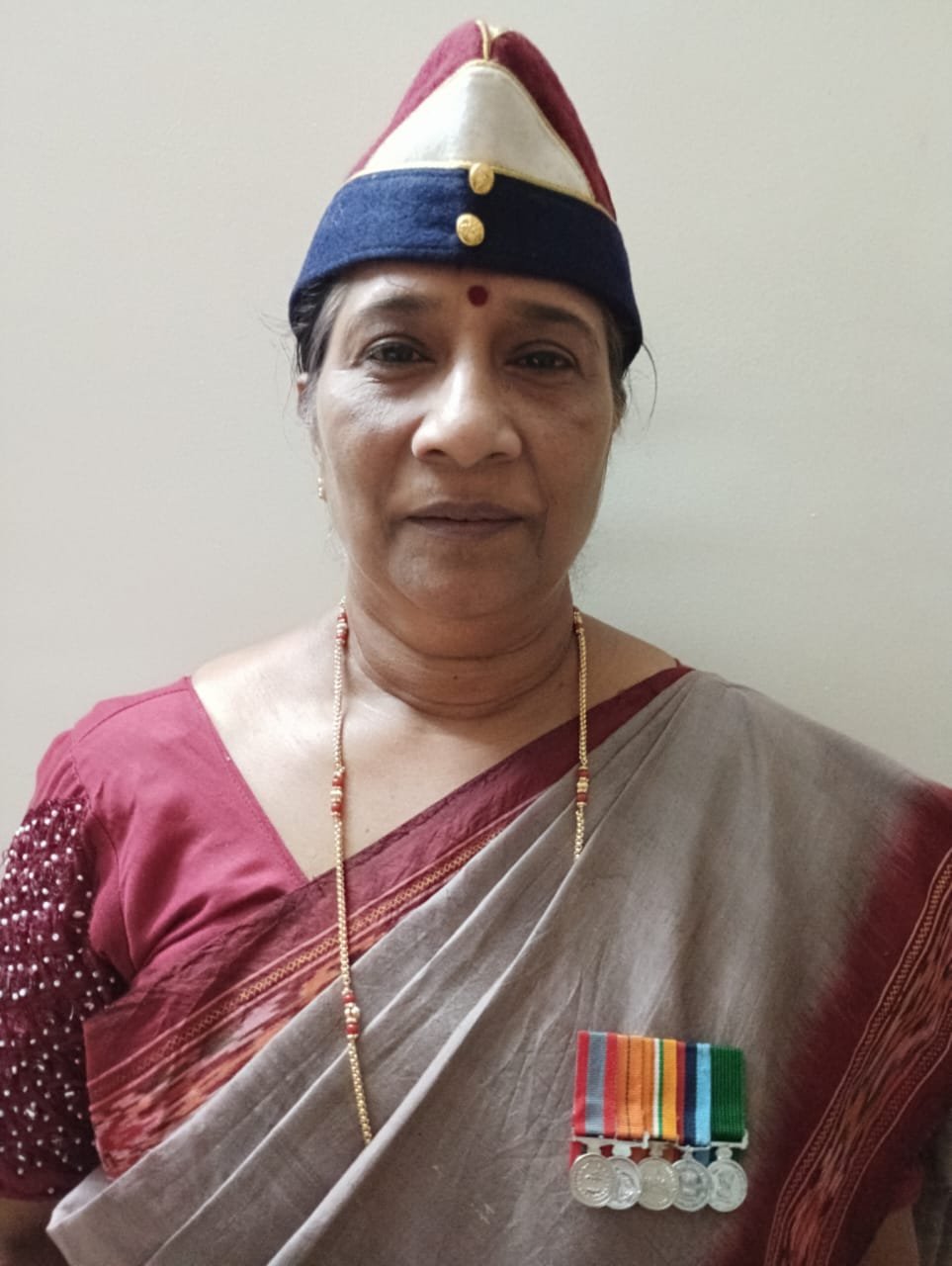
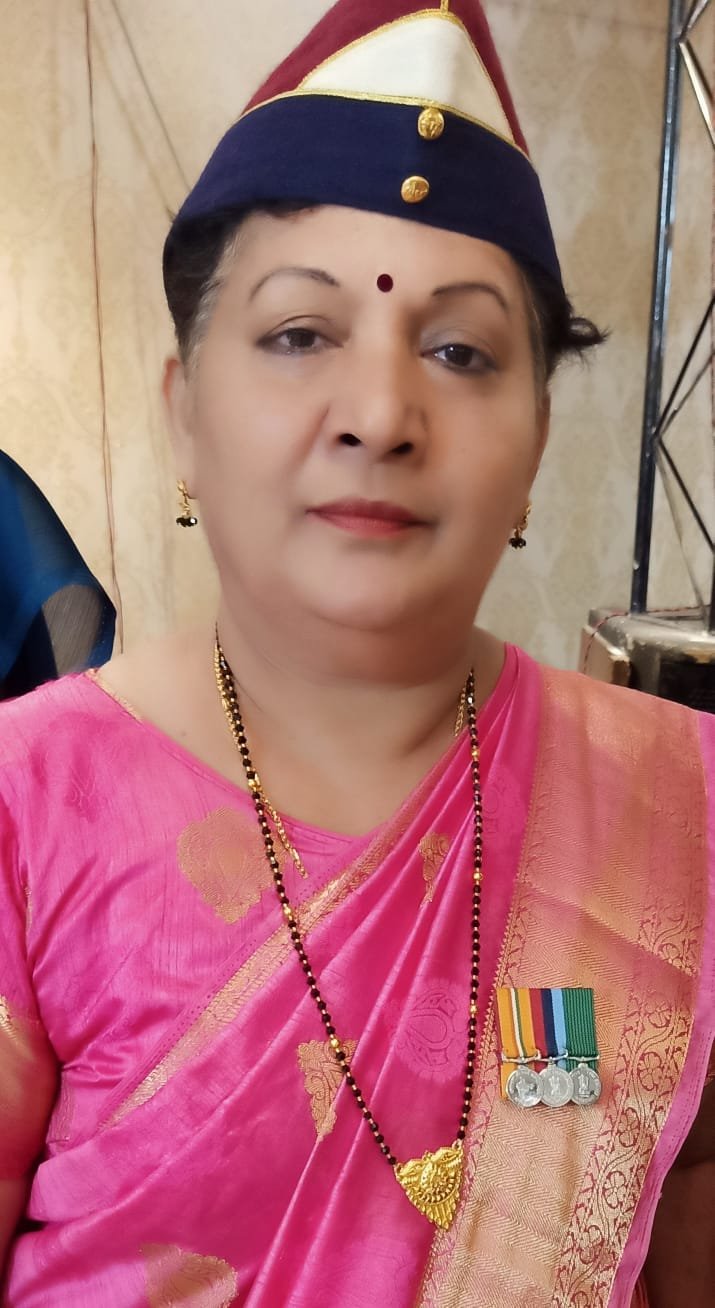
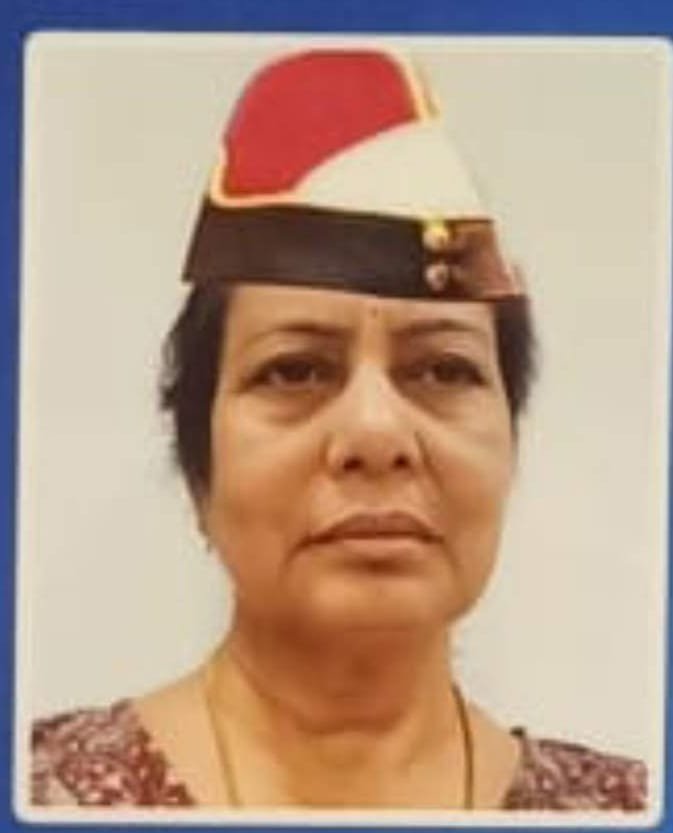
Our Distinguished Leadership
Meet the visionary leaders who guide our association with wisdom, dedication, and unwavering commitment to excellence
Our Core Values
The fundamental principles that guide our association and define our commitment to excellence
Service
Dedicated to serving our nation and fellow veterans with compassion and excellence. Our commitment to service extends beyond duty to a lifelong dedication to care and support.
Unity
Bringing together veterans from across India under one strong, supportive community. We believe in the power of collective strength and shared experiences.
Excellence
Maintaining the highest standards of professionalism and integrity in all our endeavors. We strive for excellence in everything we do, honoring our military heritage.
Honor
Upholding the dignity and respect earned through years of dedicated service. We honor our past while building a stronger future for all veterans.
Support
Providing unwavering support to our members through challenges and celebrations. We stand together as a family, offering help when needed most.
Innovation
Embracing new ideas and approaches while respecting our traditions. We adapt and evolve to meet the changing needs of our veteran community.